After winter break, students at Wachusett Regional came back to a study-heavy period of time to prepare for midyears which will begin after Martin Luther King Day weekend.
Midyear exams are in the middle of the full academic year, at the end of the first semester in a two-semester system. For full-year courses, the midyear exam is the assessment that marks the halfway point of the course’s content aiding in both gauging student’s current comprehension of course material and priming them for forthcoming final exams. For semester-long courses, it functions as the final exam for that specific class.
“Midyears are an opportunity for students and teachers to be able to assess how they are doing with the curriculum halfway through the school year,” states Linda Buraczenski, a WRHS English Learning Arts teacher.
Buraczenski also states “Midyears are also a very good way of preparing students for the types of tests they’re going to have to take after high school. Exams are a really important part of college academics, and getting used to high-stakes tests is an important part of preparing students for whatever they decide they want to do after high school.”
While midyears are a familiar part of the academic calendar, their impact is often felt most strongly the first time students experience them.
Junior Anna Mahoney says. “I was afraid that I wouldn’t be prepared but I realized that I was more prepared than I had thought I was.”
“It’s always something that you’re nervous about for the first time,” Junior Kelly Mills says. “I didn’t take it too seriously my freshmen year, which definitely helped me, but the next year I used my past experiences to help myself do better.”
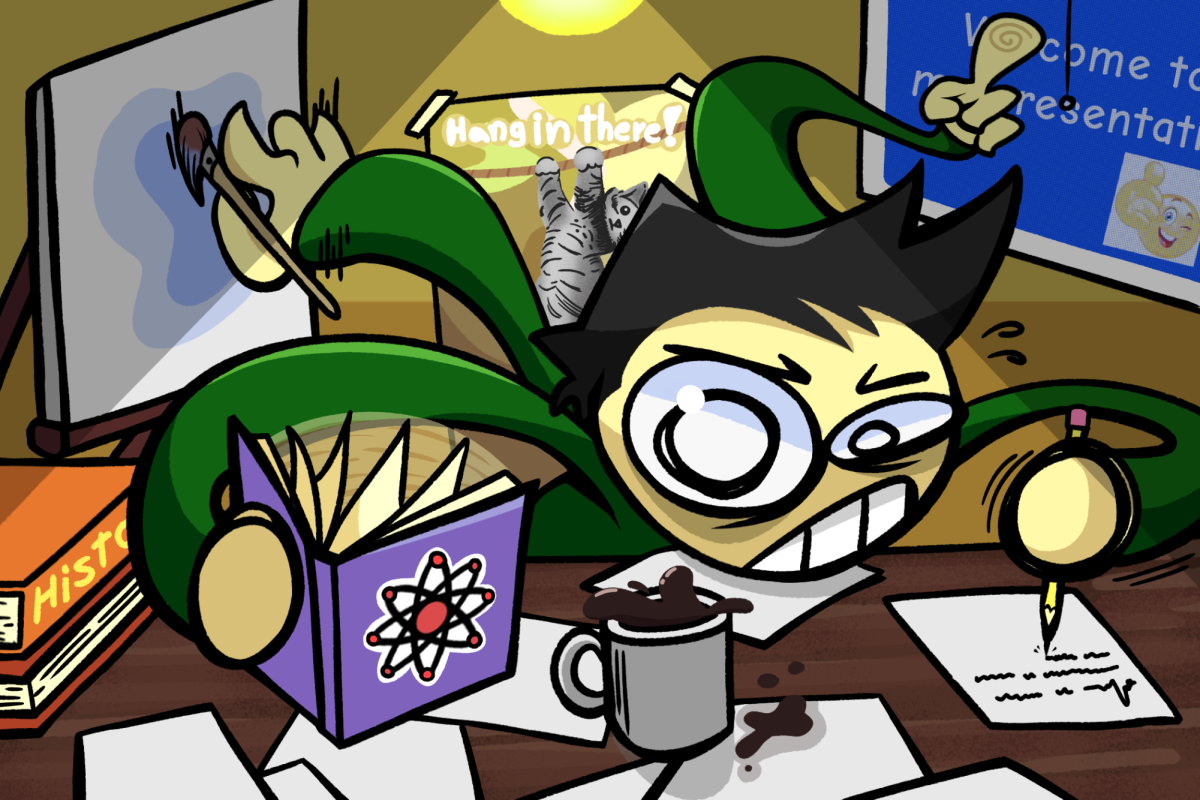
As the pressure of midyears mounts and students push through long nights of studying, counselors are observing the quieter toll this high-stakes period takes on mental health, noting patterns of stress and burnout that often go unseen in the classroom.
“I think knowing that they’re not prepared for the exam and worrying that they’re not going to do well definitely impacts a student during midyears,” WRHS Counselor Jennifer Reilly says. “Especially freshmen, since it’s their first time taking this type of assessment.”
Reilly also says that the school’s usage of half-days was a great way of balancing student mental health and the important assessments. “In general, I do not like midyears but I think having half-days are absolutely necessary for students, it’s a good thing Wachusett does for the exams.”
As midyears approach, having some strategies can make a huge difference between feeling overwhelmed and prepared. Students and teachers alike share some of their tips for these exams.
“While it is important to study and do well, you shouldn’t beat yourself up over midyears. Once you have taken them, you’ll realize that they are not that bad, just another test with a little more information than before,” says Mahoney.
“Breathe and stay calm,” says Mills, “It’s just an assessment, know that you can always grow and do better from the experience.”
“The best thing students could do for midyears would be to review class notes or videos, make flashcards for vocabulary, have study sessions, and use notecards if their teacher allows them to.” Social Studies teacher Tess Hickey says.
“Just study,” Buraczenski says, “A lot of it seems as if it’s an altering, life changing experience, but there is a balance to be struck. They’re extremely important, but I think some students take midyears too far.”